
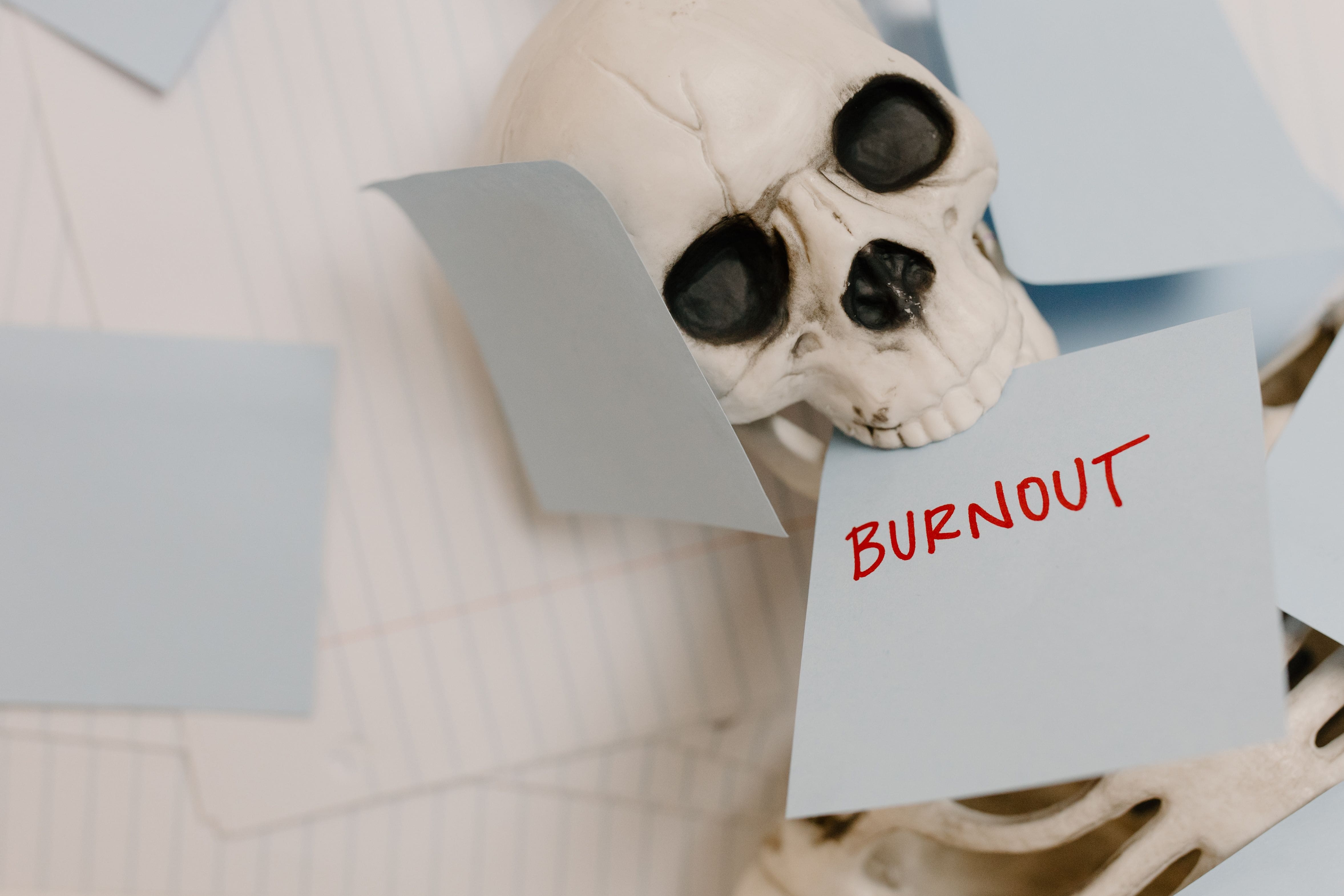

We’ve all had days where we feel drained by our jobs. But there is a distinct difference between being « busy » and experiencing professional burnout. Burnout isn’t just a bad week; it’s a state of emotional, physical, and mental exhaustion caused by excessive and prolonged stress.
If you’re wondering whether you’re just tired or truly burnt out, here is how to recognize the signs before it’s too late.
1. Chronic Fatigue vs. Tiredness
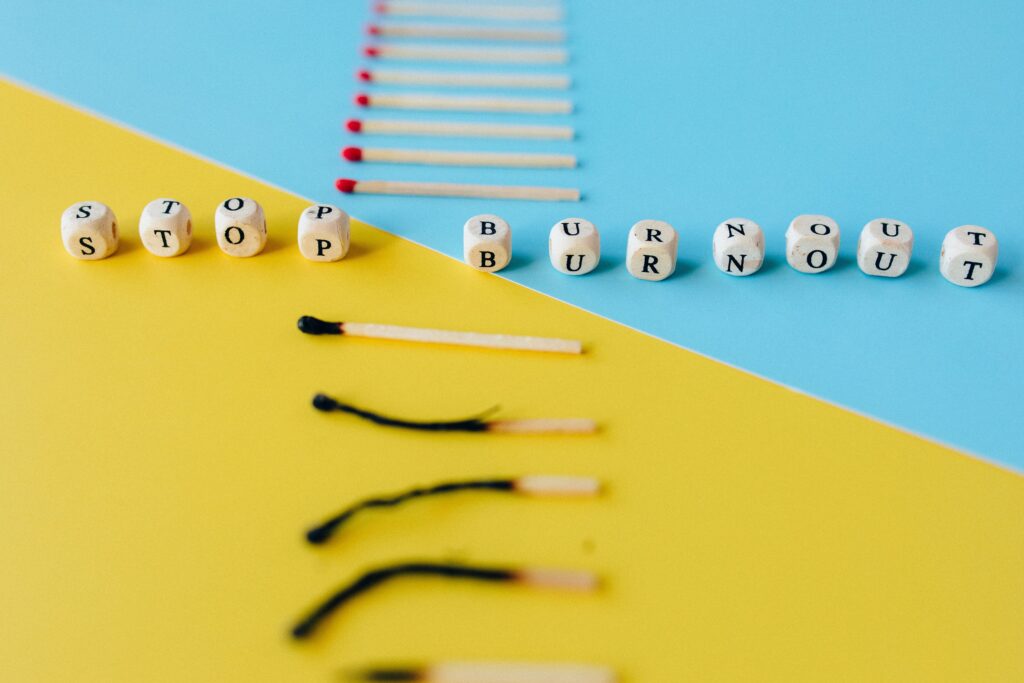
While regular exhaustion can be cured by a good night’s sleep, burnout-related fatigue persists. Even after a weekend off, you wake up feeling heavy, unmotivated, and unable to jumpstart your day. It’s as if your « battery » is no longer holding a charge.
2. The « Cynicism » Shift
One of the psychological hallmarks of burnout is a shift in your attitude toward your work. If you find yourself becoming increasingly cynical, irritable, or detached from tasks that you once found fulfilling, your brain is likely trying to protect itself from further stress by emotionally « checking out. »
3. Reduced Professional Efficacy
Do you feel like you’re working harder than ever, yet accomplishing less? Burnout often leads to a decline in productivity and a lack of concentration. Small tasks that used to take you 10 minutes now feel like monumental chores, and you find it increasingly difficult to focus on long-term goals.
4. Physical Symptoms You Can’t Ignore
Chronic stress doesn’t stay in the office; it manifests in the body. Frequent headaches, muscle tension, changes in appetite, and a compromised immune system (getting sick more often) are all red flags that your body is screaming for a change.
5. The « Sunday Night Dread »
If the mere thought of Monday morning causes a spike in anxiety, physical tension, or a sense of hopelessness, this is a classic indicator that your current professional environment is no longer sustainable.
How to Regain Control
If you identify with these signs, it’s time to move from « enduring » to « acting »:
- Set Hard Boundaries: Learn to disconnect. If your job allows, disable work notifications on your phone after specific hours. Your brain needs recovery time to function properly.
- The « Micro-Break » Strategy: You don’t need a month-long vacation to start feeling better. Incorporate 5-minute deep-breathing exercises or short walks away from your desk throughout the day to reset your nervous system.
- Seek Professional Perspective: Sometimes, burnout is a sign that your values no longer align with your role. Speaking with a therapist or a career coach can help you distinguish between a temporary rough patch and the need for a structural change.
The Bottom Line: Your career is a marathon, not a sprint. If you don’t build in rest, your body will eventually build it in for you. Don’t wait until you reach a total collapse to prioritize your mental wellbeing.
« Recognizing these signs is not a sign of failure; it is a vital act of self-preservation. When you identify these patterns early, you can take proactive steps to restore your energy and protect your long-term well-being. Remember that your health is your greatest asset. If you find that these symptoms persist despite your efforts to rest, seeking support from a mentor, supervisor, or mental health professional can provide you with the tools you need to regain balance and thrive in your professional life. »
Do you feel like you’re teetering on the edge of burnout? What is one boundary you’ve set (or need to set) to protect your peace? Let’s talk about it in the comments.