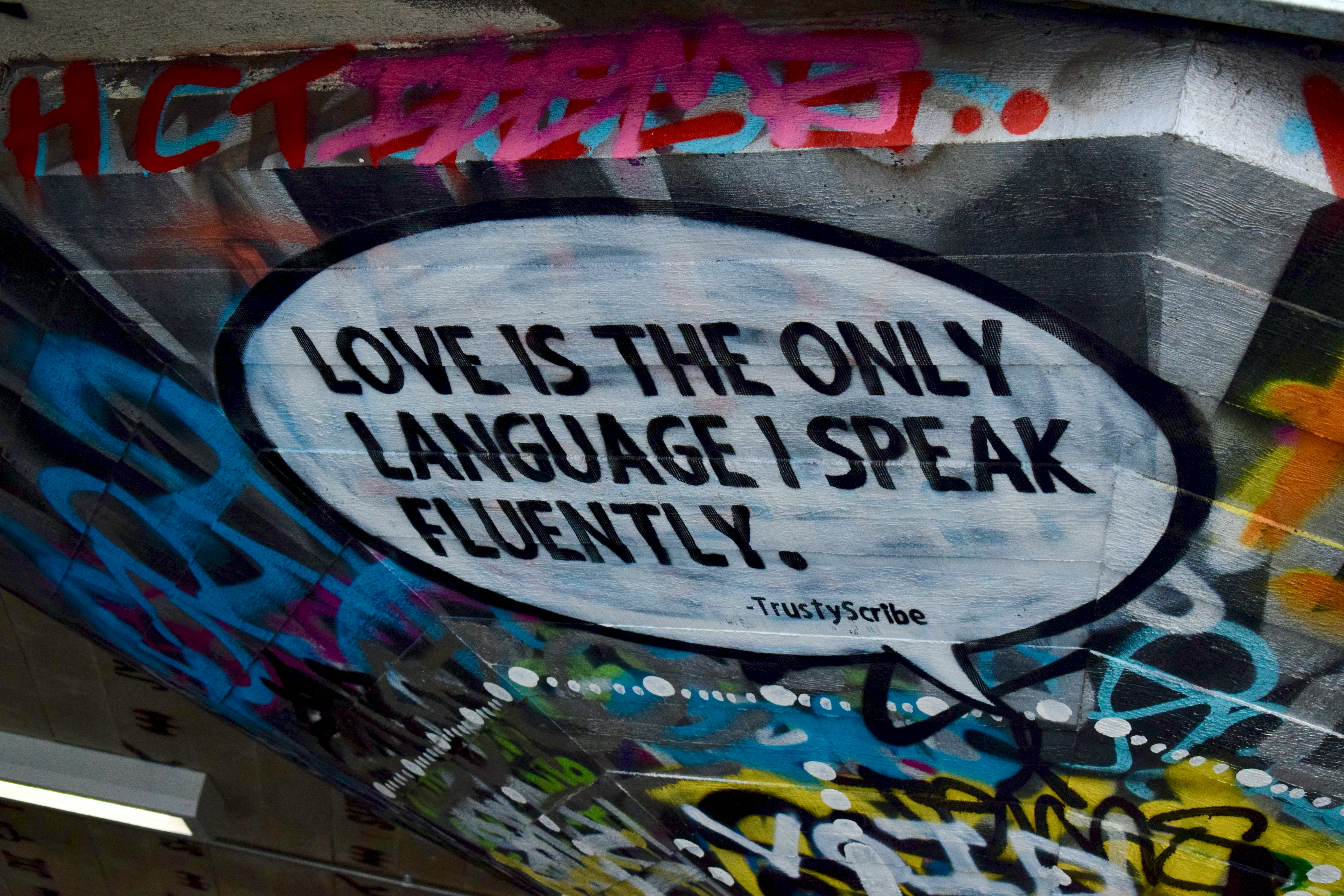
Have you ever felt like you were doing everything in your power to make your partner happy, yet they still felt neglected or unappreciated? Or perhaps you feel that your partner isn’t showing you affection the way you expect, despite their constant reassurances. The truth we often overlook is that we might not be « speaking the same language. » In this article, we will dive deep into the five love languages to help you decode your feelings and grow your relationship with awareness and understanding
What Are the Five Love Languages?
Dr. Gary Chapman created this concept to help couples understand how to express love. Here are the five core languages:
- Words of Affirmation: Expressing love through praise, appreciation, and kind words.
- Quality Time: Giving your undivided attention without distractions like phones.
- Receiving Gifts: Thoughtful tokens that symbolize care and affection.
- Acts of Service: Doing helpful things to ease your partner’s burden as a practical act of love.
- Physical Touch: Physical closeness, like holding hands or hugging, to reinforce feelings of security.
How to Discover Your Language and Your Partner’s Language
Discovering your love language doesn’t require miracles, but it does require observation:
- Observe your actions: We often express love to others the same way we prefer to receive it.
- Listen to the complaints: Your partner’s recurring complaints (like « You never spend time with me ») are a direct key to knowing their language.
- Experiment: Dedicate a week to trying a specific love language with your partner and observe their response.
Understanding these languages is not just about labels; it is about building a bridge of empathy. When you consciously speak your partner’s primary love language, you fill their ’emotional tank.’ This leads to fewer misunderstandings, reduced conflicts, and a profound sense of security. It shifts the dynamic from ‘Why don’t you care?’ to ‘I feel loved and heard,’ creating a positive cycle of mutual affection and respect.
It is important to remember that people can change, and so can their love languages. Stress, life transitions, or major personal developments can influence how we prefer to receive love at different stages of our lives. Open communication is the key. Regularly check in with your partner. Ask them: ‘How can I best support you this week?’ or ‘What makes you feel most loved lately?’ This simple act of curiosity keeps the connection alive and evolving.
MentalMy Advice: Balance in Relationships
There is no « better » language than another; every relationship has its own uniqueness. The goal is to reach a balance that makes both parties feel secure and appreciated.
- Note: This content is provided for educational and informational purposes only. If you are experiencing real difficulties or deep emotional issues in your relationship, we strongly recommend reaching out to a professional counselor or relationship expert for appropriate support.